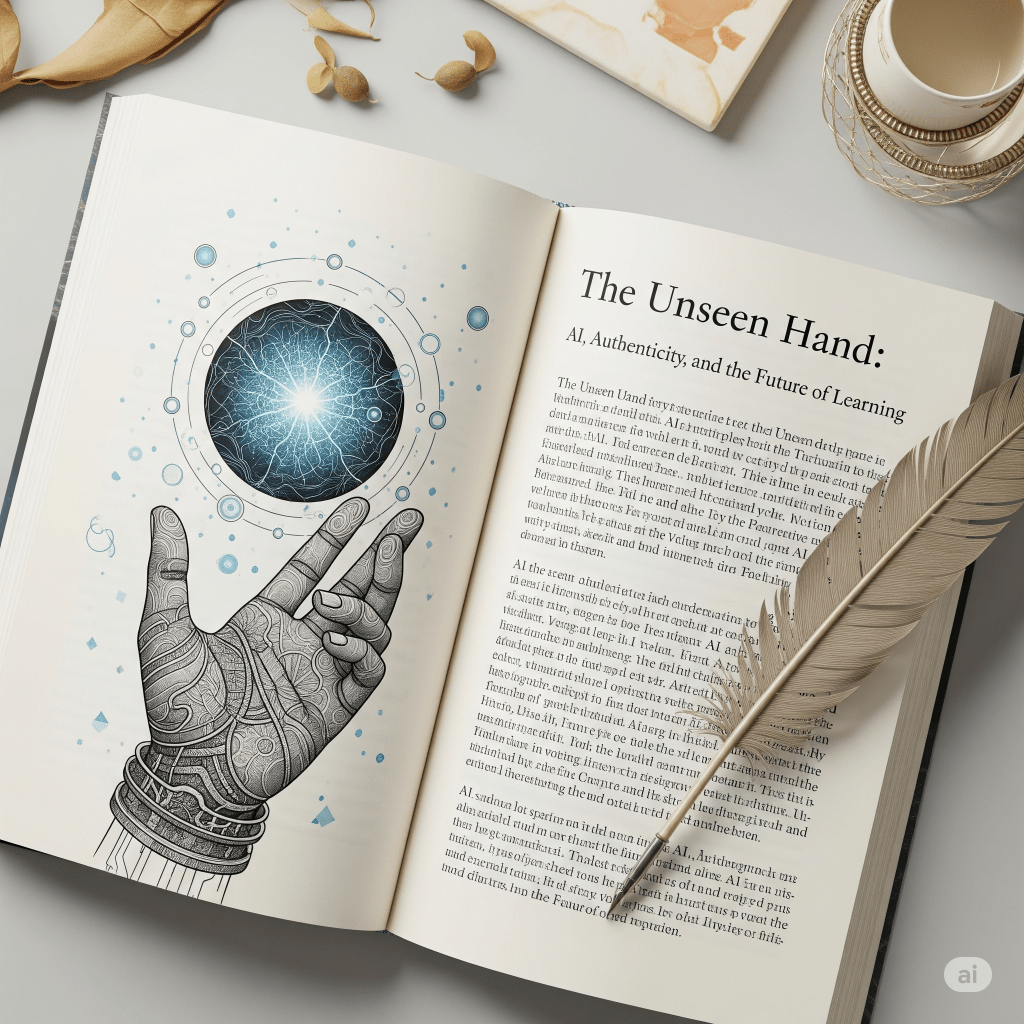
This past week, I had the privilege of attending a dynamic academic roundtable, a gathering that brought together educators from a variety of professions and academic levels to grapple with one of the most pressing challenges facing modern education: the profound impact of Generative Artificial Intelligence (GenAI). The discussions were vibrant, ranging from the incredible potential of GenAI to transform learning experiences to the complex ethical tightropes we must navigate. It was a powerful reminder that while the future of AI in our classrooms is still being written, the questions it poses about how we learn, how we teach, and, crucially, how we assess, are immediate and urgent.
What struck me most throughout the debates was a recurring tension between the exciting possibilities AI offers for personalisation and efficiency, and the deep-seated anxieties it stirs regarding academic integrity and the very essence of what we aim to cultivate in our students: genuine learning and critical skills. These aren’t abstract concerns for distant futures; they are live dilemmas impacting classrooms nationwide right now. They demand careful consideration and proactive strategies from everyone dedicated to fostering genuine learning and a true enjoyment of learning. My reflections and research in this episode of The Educated Guess are deeply shaped by those conversations, aiming to explore the intricate relationship between GenAI, the concept of authenticity in student work, and the evolving landscape of assessment.





 The Educated Guess